


Situ recently published a white paper, Mind the Gap: Generational analysis of the accommodation requirements and behaviours of today’s business travellers. The paper presented the key results of a combined research study comprised a survey conducted by YouGov1 and a series of interviews with senior corporate travel managers and specialists. It explored the increasingly diverse expectations, behaviours, and preferences across four generational cohorts of business travellers: Gen Z, Millennials, Gen X, and Baby Boomers.
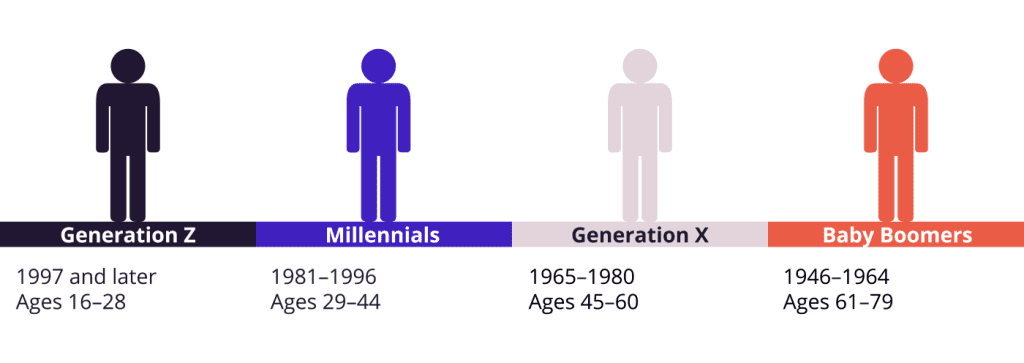
This insights piece will explore what business travellers of different generations hope to see in their accommodation to improve their experience, as well as how travel experiences can be improved for employees and why it is important for businesses to consider this.
Contents:
- The opinion of business travel
- What do business travellers want from their accommodation?
- How does accommodation help traveller wellbeing?
- How can the experience of business travel be improved?
- Better employee travel experiences are better for business
- Our research take-away
The opinion of business travel
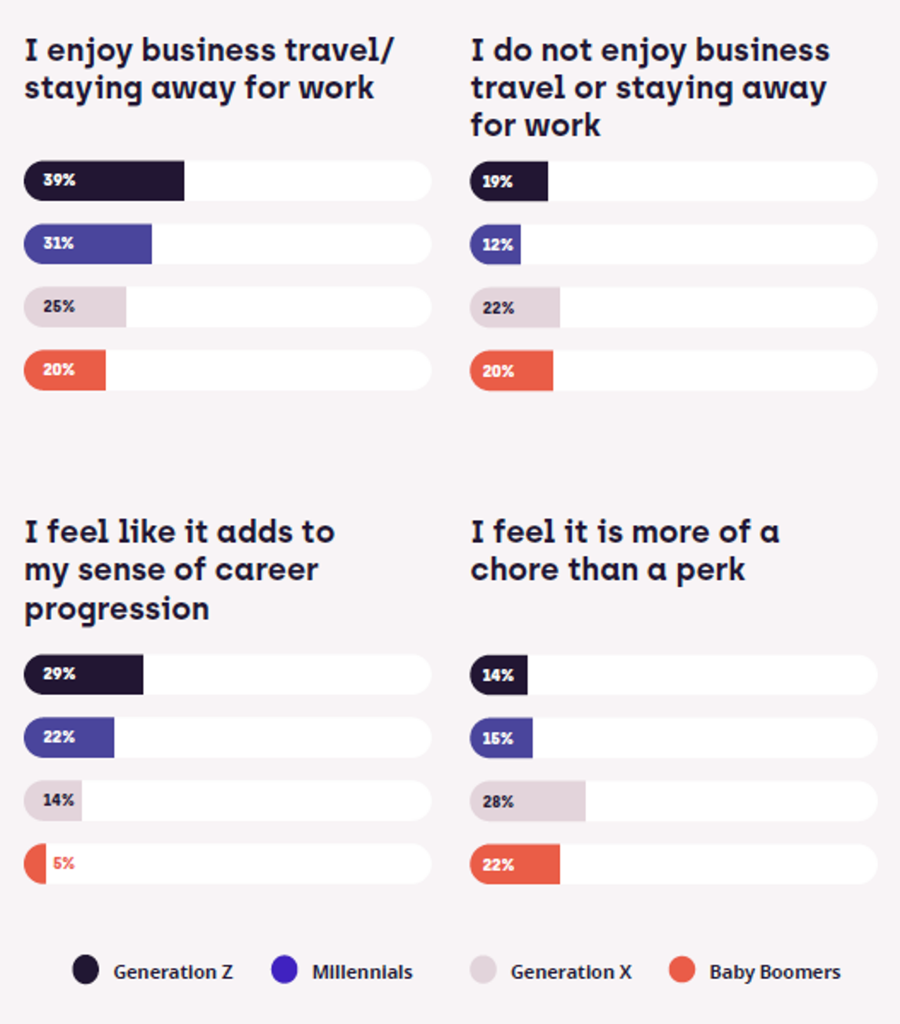
One of the key findings of Situ’s recent business traveller survey1 was that a greater proportion than expected of all generations responded that business travel or staying away from home for work was more of a chore than a perk.
A full 30% of Gen X said they ‘didn’t like being away from home comforts’, and 21% of Gen Z said it was ‘difficult to maintain a good work-life balance’ while working away.
Frequent comments were the lack of home comforts and missing family and friends; not being able to work out; having to eat only hotel food or pricey food; and the lack of space in cramped hotel rooms.
However, at the same time, the younger generations absolutely recognise the importance of business travel for their career progression; while Gen X thinks it is ‘important for maintaining connections’.
So, given that the value of business travel is understood, how can the ambivalence employees can feel about working away be improved by making travel more pleasant and easier to cope with?
Results to the question, ‘How do you feel about business travel or staying away for work?’
What do business travellers want from their accommodation?
Our research uncovered varying expectations that run broadly in line with the different generations.
While there was agreement on the importance of guest reception, on-site dining, and security, the stand-out data from these survey questions is the difference between the younger and older generations.
The disparity is most visible in the importance they give to having access to a gym/ wellness facilities; good sustainability/ green credentials; and cooking facilities. There is an especially marked difference between how important Gen Z and other generations think an option for cooking facilities is.
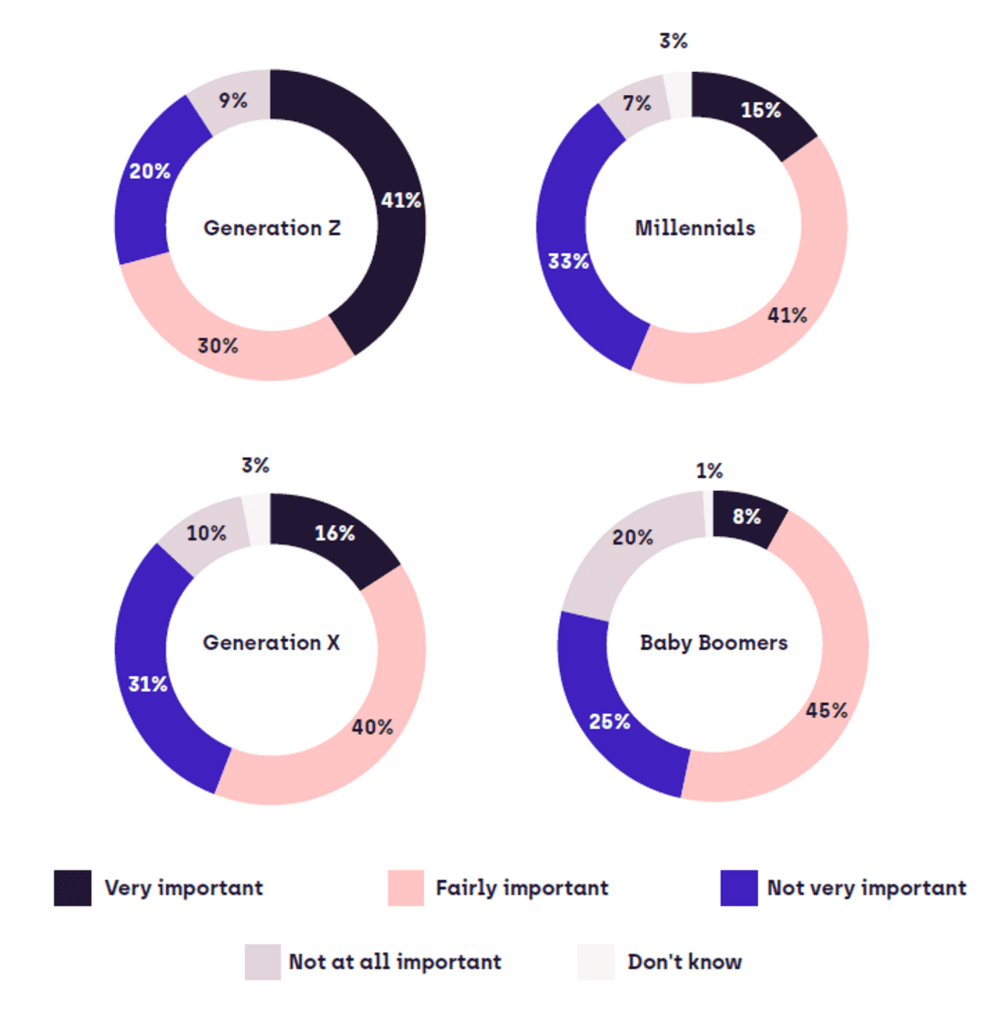
We also asked respondents about the importance of digital or tech-enabled features in their accommodation. A significant percentage of Gen Z travellers – more than all three of the other generations combined – think that it is ‘very important’ to have digital or tech-enabled features in their accommodation, such as contactless/ mobile/ self-check in, smart room controls, streaming capabilities, and lock-box access. This generation’s expectations are in line with their digital nativism and their belief in the importance of security and safety when travelling for business. Approximately half of all other generations said it is ‘very important’ or ‘fairly important’ to have tech-enabled features in accommodation when they are travelling for business.
Another interesting result is the number of times different age groups answered ‘don’t know’ to the questions regarding accommodation features that they consider important: Gen Z said this far fewer times than any other generation. Taking a broad view, this backs up our qualitative data that says, ‘Gen Z know what they want and aren’t afraid to ask for it’.
The importance of in-room technology to each generation
How does accommodation help traveller wellbeing?
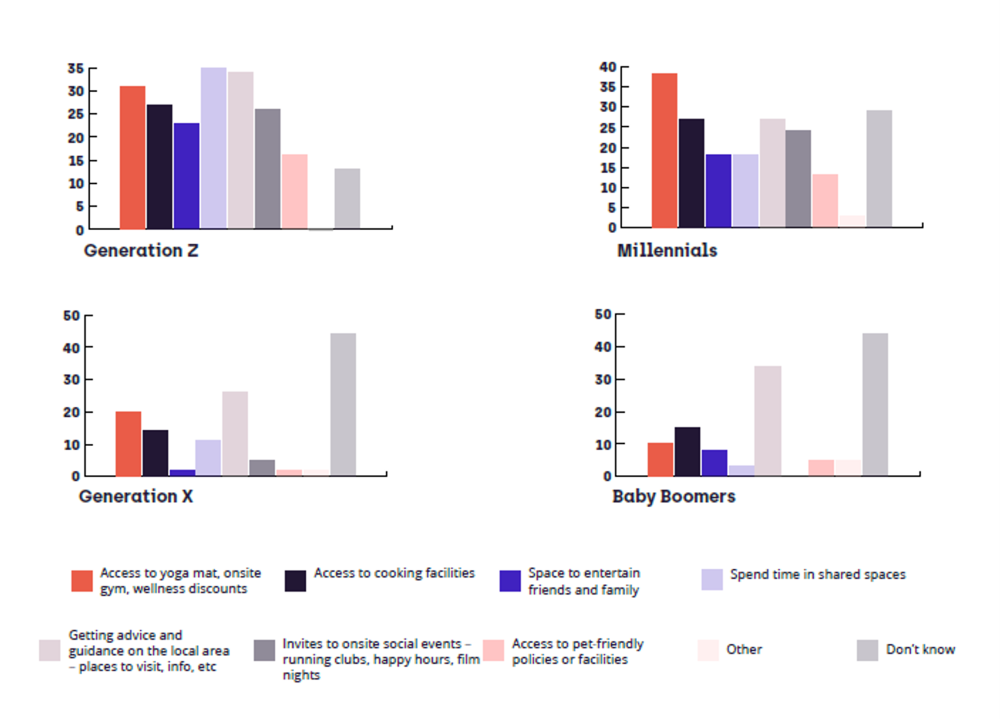
We asked respondents, ‘Which, if any, of the following do you wish to be able to do/ receive to support your wellbeing while travelling for work?’
These were:
- Access to yoga mat, onsite gym, wellness discounts
- Access to self-catering facilities
- Space to entertain friends and family
- Spend time in community/ shared spaces
- Getting advice and guidance on the local area – places to visit, info, etc
- Invites to onsite social events etc – running clubs, happy hours, film nights
- Access to pet-friendly policies or facilities
- Don’t know
- Other
Across the board, the younger demographic scored higher than Gen X and Baby Boomers when it comes to what they would like in terms of support for wellbeing while travelling for work, with access to a gym, yoga mat, or other wellness facilities being a much greater priority.
But the stand-out trend from the survey is that Gen Zs and Millennials are far more likely to want space to entertain family and friends, to spend time in community and shared spaces, and to have invites to social events on site – and although they are as happy as younger travellers to receive info on the local area, Gen X and Baby Boomers seem to be happier with a more solitary stay, with just 2% and 8% respectively saying they would like to spend time in community or shared spaces.
Compared to 26% of Gen Z and 24% of Millennials, just 5% of Gen X say they would like invites to onsite social events, and no Baby Boomers at all chose this as something they would like to support their wellbeing. This aspect of ‘relatedness’ in younger generations to the environment and to others when travelling was also highlighted in our interviews and is important to keep in mind given current alternative accommodation types, such as co-living.
It’s also worth noting that the numbers for ‘don’t know’ are relatively high, markedly so for Gen X and Baby Boomers, where both generations responding that they ‘didn’t know’ which wellbeing options they’d like when travelling for work, as opposed to 13% of Gen Z respondents, and 29% of Millennials.
Results to the question, ‘Which, if any, of the following do you wish to be able to do/ receive to support your wellbeing while travelling for work?’
How can the experience of business travel be improved?
The travel managers who took part in Situ’s research confirmed that Gen Z want more space, and enjoy living with like-minded colleagues in a more home-like environment than a hotel, where they can keep up routines from home. As Adam Hickingbotham comments:
“Younger travellers want to be able to take their bikes, cook for themselves, and live with work colleagues, especially recent graduates.”
Adam Hickingbotham, Travel Procurement Manager, AtkinsRéalis
They noted that perhaps unlike their older colleagues, Gen Z and Millennials are not necessarily loyal to hotels and ask for serviced apartment or house options when travelling where there is more space and autonomy.
However, the constraint that travel managers and policy makers are facing is that the non-hotel options are not always easy to add into their accommodation offering due to technological barriers. Advances in this area are eagerly awaited in order to make the best accommodation options easily available to employees as part of their company travel programme, and this includes serviced accommodation, including apartments and individual houses in more remote locations.
The travel managers we interviewed also agreed that taking the friction out of business travel would go a long way towards making trips more enjoyable. This includes ease of booking and streamlined travel tools; and some degree of control over travel plans, such as flexibility in accommodation choice and schedules.
Better employee travel experiences are better for business
The returns on providing accommodation that supports wellbeing is good for businesses too, and can result in:
- Higher productivity and engagement during trips.
- Employees feeling more positive about their company and career.
- Employee retention (for example, graduates).
Our research take-away
The statistics uncovered during Situ’s recent research make the case for the continued consideration of what accommodation features can best improve travelling employees’ experience. A robust focus on accommodation being an innate part of traveller wellbeing is essential to today’s travel programmes and policies, with wellbeing itself an essential part of a company’s duty of care to their employees, as the travel managers interviewed during our research all agreed.
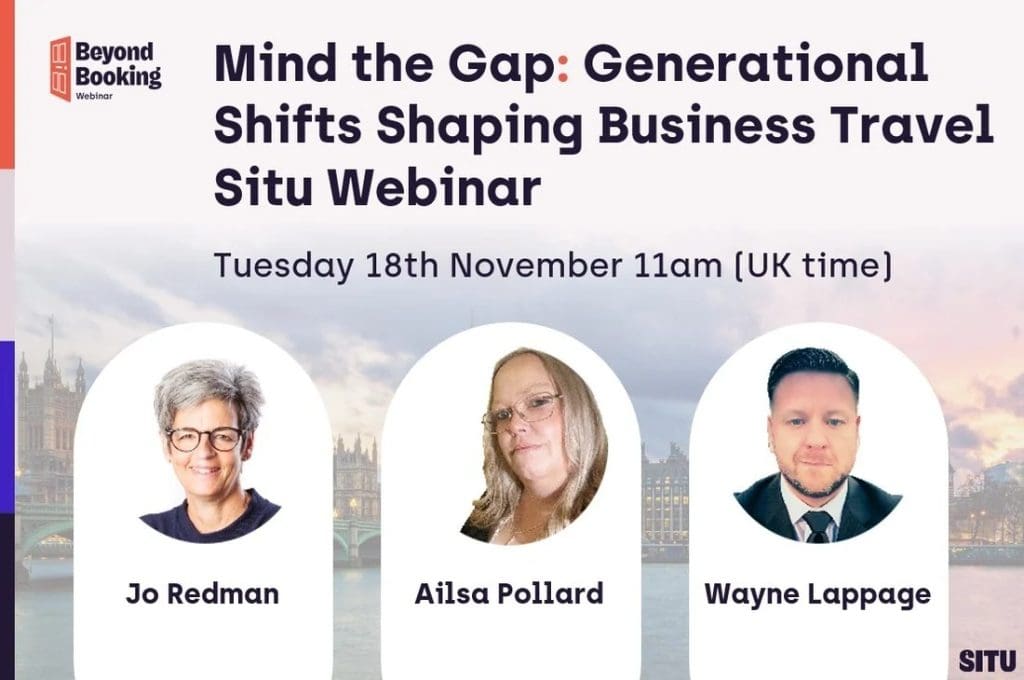
Want to learn more? We hosted a webinar that delved into the key insights we uncovered in the white paper – with some of our interviewees as guests.
[1] All figures, unless otherwise stated, are from YouGov Plc. Total sample size was 2,145 adults, of which 554 are working adults who reported taking part in business travel. Fieldwork was undertaken between 27th–28th May 2025. The survey was carried out online. The figures have been weighted and are representative of all UK adults (aged 18+)