


When it comes to arranging business travel, rural or remote destinations can bring a completely different set of challenges. For travel managers, supporting employees in these areas means planning for more than just transport and accommodation – it’s about ensuring safety, comfort, and practicality when there’s limited infrastructure.
This guide explores how business travel works beyond cities, the key challenges travel managers face, and how the right accommodation partner can make rural travel not only manageable but successful.
Why businesses are travelling to rural areas and who they’re sending
Industries such as construction, energy, engineering, and film production often rely on remote worksites. These projects can last for months – or even years – meaning travel managers need to arrange accommodation that goes beyond urban stays.
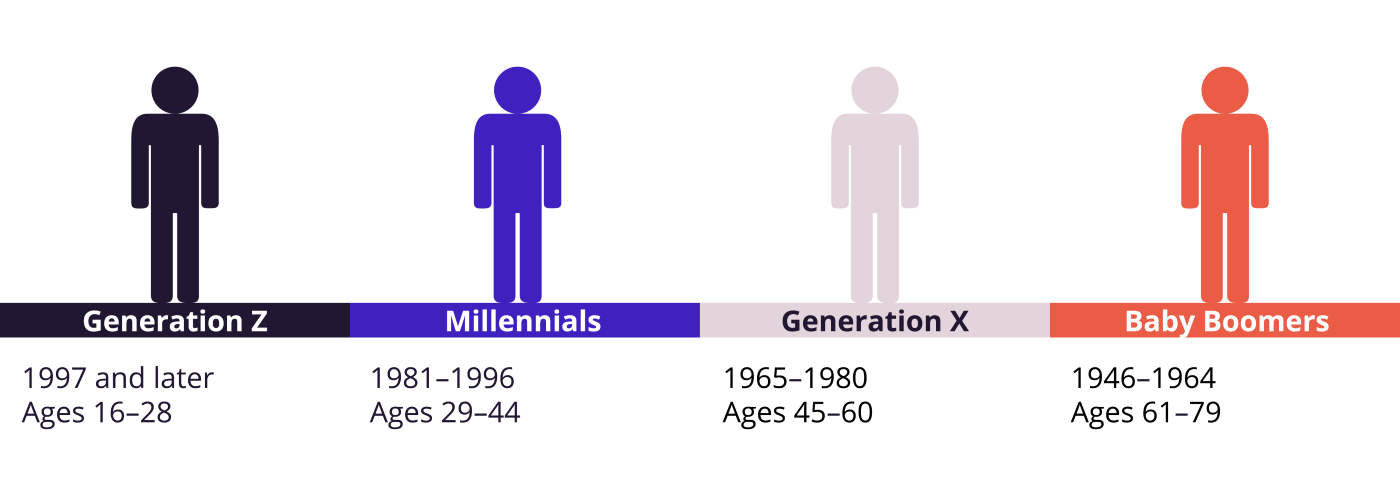
Our recent white paper study, Mind the Gap, created in collaboration with YouGov, identified that younger travellers (Gen Z and Millennials) are more likely to travel to suburban or remote/rural than their older colleagues, particularly for stays of between 4 and 7 nights.
Challenges for travel managers
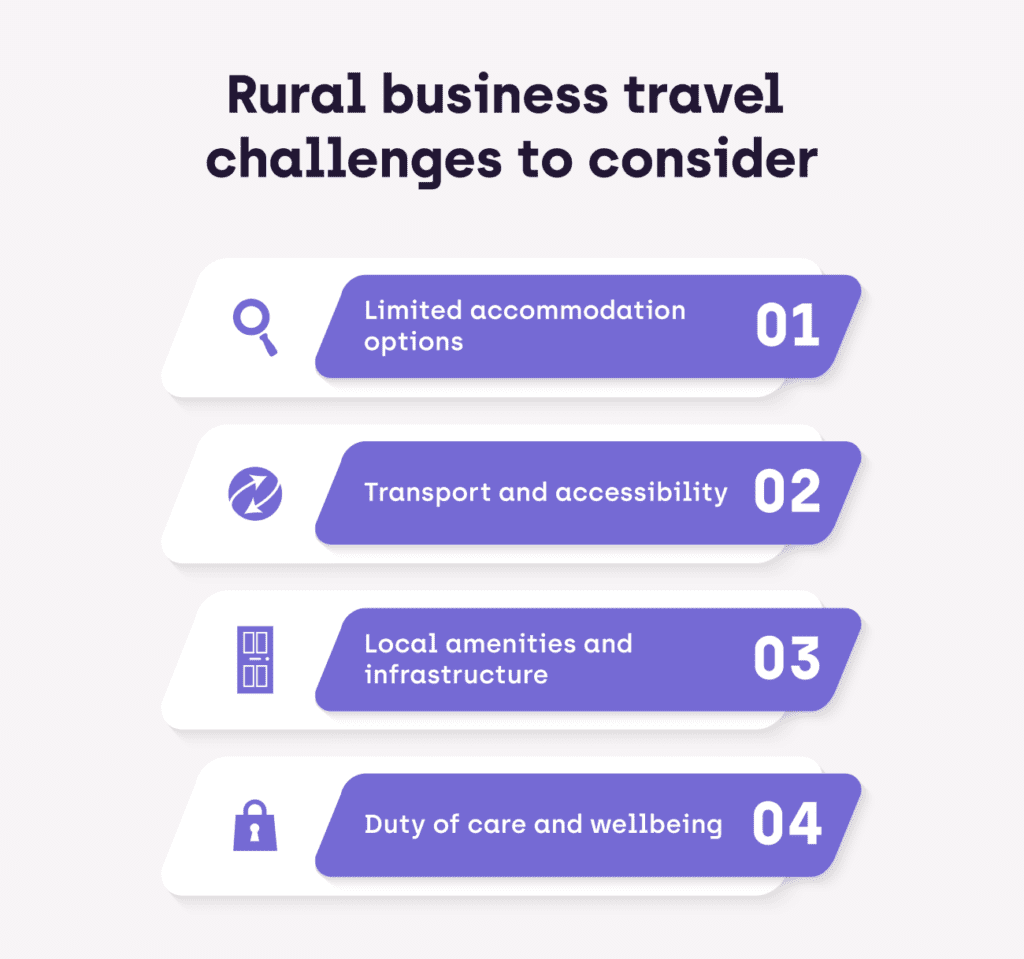
Travelling for business in rural regions isn’t quite as straightforward as in well-connected cities. There are several key challenges to consider:
1. Limited accommodation options
In rural areas, there are usually fewer accommodation options to choose from. Those available may not be close to the project site, which can increase commute times and transport costs.
2. Transport and accessibility
Public transport links can be sparse, so employees may need vehicles or shuttle arrangements. Travel managers must factor in the time required to reach the workplace each day.
3. Local amenities and infrastructure
Things like dining options, fitness facilities, or supermarkets can be limited. While this might seem minor, for long-term stays it can make a big difference to traveller wellbeing and satisfaction.
4. Duty of care and wellbeing
Traveller safety remains a top priority, particularly in isolated locations. Ensuring employees have secure accommodation, reliable communication, and easy access to local emergency services is essential.
Supporting employees on the ground
Travelling for business in rural areas can sometimes feel isolating. That’s why ongoing support and communication matter just as much as good planning.
A housing partner who can assist with providing local information – such as how to reach the site, where to find essentials, and who to contact for help – makes a big difference. 24/7 support helps ensure that everyone’s comfortable and equipped to handle their stay.
Choosing accommodation with communal areas can also make a difference. A shared lounge or kitchen allows teams to unwind and connect after long shifts, building morale and reducing feelings of isolation.
At Situ, we don’t just book properties for clients, we’re on hand to support guests every step of the way, making rural travel that much easier.
Planning considerations for travel managers
When coordinating business travel to rural destinations, the right preparation can make all the difference.
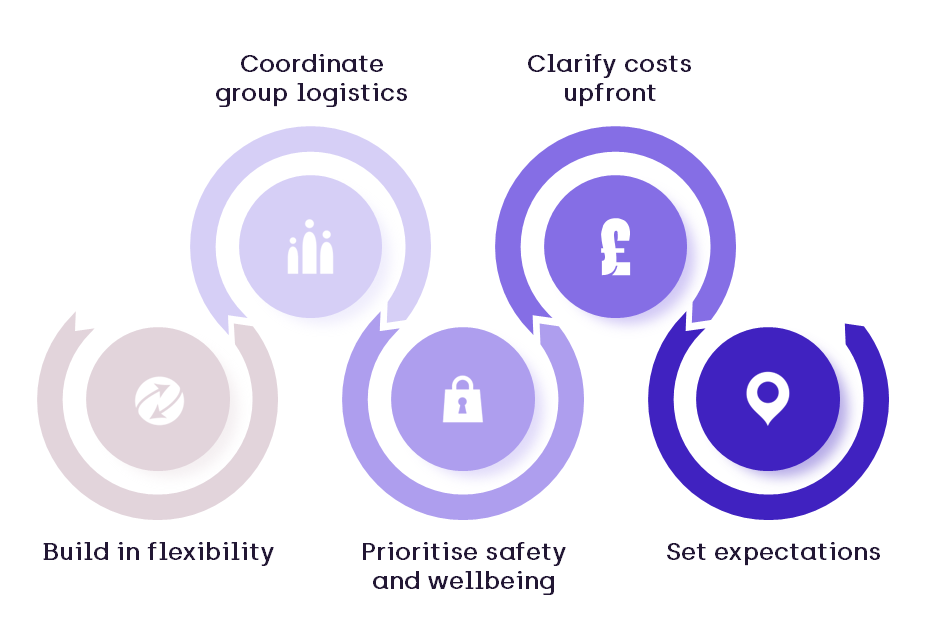
Build in flexibility – Project timelines can change unexpectedly. Flexible contracts and cancellation policies help protect budgets and reduce stress.
Coordinate group logistics – For team projects, managing rooming lists, vehicle parking, and shared amenities efficiently keeps everything running smoothly.
Prioritise safety and wellbeing – Ensure properties meet safety standards and offer secure access and reliable communication. Provide travellers with emergency contacts and clear guidance before they arrive.
Clarify costs upfront – Where accommodation types are less conventional – such as lodges, cottages, or serviced houses – bundled services like laundry and parking can simplify billing and maintain cost predictability.
Set expectations – Share practical details with employees about the location, local services, and travel times. Clear communication helps prevent frustration and boosts confidence before arrival.
This is where having the right partner comes in. An expert in business travel in remote regions, such as Situ, will negotiate flexible arrangements and costs on your behalf (our strong negotiating power is thanks to our close relationships with our accommodation Partners). At the same time we’ll also advise on rooming lists and provide assurance that properties meet the highest of expectations due to our stringent accommodation Partner due diligence checks.
Accommodation solutions that work – the benefits of having the right partner
The ideal option for any stay, especially rural, is serviced accommodation. This offers flexibility and comfort – especially for long-term, project-based stays. Properties with kitchens, laundry facilities, and parking give employees a sense of independence while keeping costs under control.
At Situ, we’ve supported many clients in rural and isolated locations. One example comes from our work arranging housing for two projects: one in the Arctic Circle and another in the far north of Scotland.
In the Arctic project, we secured a full lodge for twenty workers. Each had a twin room with an en-suite bathroom, while the team shared a communal lounge, kitchen, laundry facilities, and even an on-site pub.
Meanwhile, in Scotland, we sourced a holiday park that offered wooden lodges with parking for forty workers and negotiated services to be included: weekly cleaning, towels, and laundry access – all at a consistent weekly rate.
In both cases, the properties were close to the project sites, helping teams avoid long daily commutes and saving valuable time. More importantly, they provided a comfortable and practical environment for employees to rest, cook, and unwind– all while staying within the client’s budget.
For travel managers, this highlights the importance of looking beyond traditional accommodation categories. In rural settings, flexibility and creativity are key.
Final thoughts
Supporting employees in these locations means balancing practical logistics with care and foresight.
By choosing the right accommodation partner and focusing on wellbeing, travel managers can turn the challenges of rural business travel into opportunities for smoother operations and better employee experiences.
If your business is preparing for a rural or remote project, get in touch with the Situ team to see how we can help deliver the right accommodation solutions – wherever work takes you.