Travel Management Companies
The evolution of technology in short and extended stays
9 July 2025, 10:00am (GMT)
Join industry experts as we explore the past, present, and future of tech in short and extended stay accommodation, from PMS and revenue tools to automation, guest experience, and growth at scale.
Technology has reshaped our sector, from streamlining operations and enhancing guest experiences to helping operators grow globally.
Watch full webinar now
Watch our webinar on 'The evolution of technology in short and extended stays' below.
Transcript
[Music] [Applause]Hello and a very warm welcome to everyone joining us today. Whether you're tuning in from the UK, India,
Australia or anywhere in between, we are so pleased to have such a global
audience for this beyond booking webinar. I'm Jessica and I'm delighted
to open this Beyond a Booking webinar brought to you by Situ, um, a global service accommodation provider
specializing in extended stays for corporate travelers. At Situ, we're all
about making business travel simpler and smarter. And today's session fits right
into that mission. We're exploring the evolution of technology in short and
extended stays. a topic which I feel like you would agree with me that's really reshaping how our sector operates
from guest experience and automation to growth at scale. Our fantastic speakers
today are an um co-founder and managing partner from hybrid resi and Jeff chief
operating officer from urban rest. I would like to say a big thank you to
Jeff who's kindly joining us from Australia in the late hours of his evening and to Anel and Richard for also
lending us their time and fantastic insights. Richard um
is our host today and I'm absolutely ecstatic um to hand over to him today.
So Richard, over to you. Thank you very much Jessica. Um it's great to be here with everyone and uh
I'd like to obviously extend my thanks to um Anel and Jeff for joining me here today. Um really excited to um to delve
into this conversation. Um and I think it's probably only fit if we uh we kick off. So um I'd really like to start um
kind of at the foundations of uh of how you guys have have built your uh
property management and distribution uh environment for your for your operations. And I think Anel is a great
place to to start with you obviously as a relatively uh new entrant into into
the uh the market and operator of extended stay apartments. Be really interested if you could uh walk us
through some of the core technologies you've adopted so far. Um really interested to understand kind of how how
you went about selecting some of those partners um some of the operation systems, some of the learnings you had
from that. um and any if you've kind of got any advice within that that you would offer to the audience about some
of the some of those learnings you made. So it' be great to kick off Anshul just to to get your thoughts around that.
Well, thank you very much Richard. Thank you very much Jessica. It's a great opportunity to discuss this on the
platform situ. Um we at hybrid resi we
uh started a journey 3 years ago. Me and my partners have decided this concept
and the key core principle of hotelization. So the concept of hotelization where it started from bringing hospitality and
its technology within the real estate environment. So that is the core and from day one we knew that a robust
technology would be the backbone for a scalable and an efficient growth.
We started with Muse as our core property management system. Our operational central nervous system uh
which is chosen for its userfriendly and open API implications with regards to
having a seamless integration as well. Once Muse was in place, we integrated
with site minder to manage our distribution across 450 channels which
is giving us the global reach and full control over rates most importantly restrictions and availability.
Next, it is more of a staggered uh but a strategic approach on step by step what
we have uh been doing with regards to specifically on the technology front.
We prioritize our guest experience and introduce an online check-in process
which is fully digital for the registration and compliance especially making sure that we are complying under
the hotel records act 1972 on the immigration front which is very very imperative and important in the UK.
Um eliminating manual paperwork and reducing check-in time. Thereafter we
have introduced remote locks which is again a fascinating tool. Uh uh we can
access them from anywhere any part of the world as well. Uh which added keyless entries uh to the apartment
improving security convenience and reducing the uh you know staffing cost which is the most important element when
we are looking at the bottom line profitability as well. So from our you know outset our focus was on building
more importantly an integrated scalable and an efficient solution which is going to be for a long-term within in line
with our vision. The strategy has been enable us to you know deliver more about uh excellent customer service um and
internally reducing the cost as well. So these are you know the parameters which
we have worked so far in a strategic manner but there is a lot with regards to the technology which we are looking
in for the future very excited because we have just recently introduced bit of an AI revolution on the revenue
management as well uh which is absolutely incredible how uh the performance have been given us to so far
nice yeah I mean uh we'll touch on your uh your use of the AI and and revenue management I'd love to hear a little bit
more about that um in in a little while. I I think I'd be quite interested because um Jeff from from your
perspective, you took a slightly different route uh with your setup um opting to to build on top of your uh PMS
and utilizing your I should I say proprietary. I'm not so sure, but it'd
be interesting to kind of take us through how the decisions you made within your setup and how you came to
that decision to uh to set up your overall tech stack within your environment.
Yeah, of course. Um, well, first of all, thanks for thanks for having me. It's great to to be here with everyone. Um,
for those of you not aware of of Urban Rest. Um, so we are a corporate accommodation provider. Um, we kind of
sit uh very similar to a hybrid resi on the on the verge of uh uh corporate
accommodation, short-term rental, and very close to hotels. Um, uh, we're a
few years older than u than than hybrid resi started about eight, nine years ago. um here in Australia. Um we've
since uh scaled throughout Australia to New Zealand, the UK and and in Ireland.
Um and and that scaling component is incredibly important. So um um the the
selection of of a core PMS is really uh really key I find in in kind of setting
up for your for your technology. Um but by by sitting on the hybrid of of so
many different um uh industries that you know arguably are merging and and kind
of flexing into into one. Um what we found is that we couldn't find a PMS
that really suited our requirement and could flex with us and could scale with us really easily. And so uh what we
selected is a a PMS that is extremely open and transparent which is guesty. Um
then we use that as a as a foundational PMS um which is an API first uh uh PMS
allowing us to really build an infrastructure on top of that. So we've worked really hard on on that
infrastructure layer like you said Richard hard to say propriety because it's built on an existing system. It's a
it's built on Salesforce but it's really we've built our operating uh platform uh on top of on top of Salesforce. So,
every single team throughout our company, if that's from guest relations, um our sales teams, um our onboarding
teams for new buildings, um our operational teams, our housekeepers, all operate on uh on different parts of
Salesforce, really blending that that that one core oper operating um
operating uh platform. Um, Salesforce is one of those uh fantastic uh platforms
that it's a um it's a great great box. Nothing comes out of the box, but you've
got the opportunity to really build on top of it. That really allowed us to build so much automations and
efficiencies for all of our team members that suited our needs for our bu for for our business. Um I think um what you
often see is that um while PMSs do a fantastic job in um in building uh their
product um it's always going to be a bit of a trade-off depending on what part of the market you're in. And so um
custom building on a uh open on an open solution like uh Salesforce really
allowed us to build all of those automations but still have the core foundation of a PMS that like Anshul said
you know plugs in the likes of site minder our sto keyless entry and those kind of those kind of things. So so
slightly different solution that suit our our need for our for kind of our
global scaling business. Yeah. So I I think my follow up on that one would be Jeff, at what point did you
decide through that kind of evolution and when you joined joined the business you decide actually we need to move we
need to look at our our setup and how that works because it's not efficient enough for what we're doing. What kind
of what was that aha moment you kind of actually that's where I I'm looking to go and this is what works for me.
Yeah. Oh, 100%. Being really honest with you, when the sticky tape became too hard to
keep together, um because when you find yourself into constantly building workarounds in constantly finding, oh,
you know what, I can do this, but I have to make that compromise. At that point in time, you go, I don't know how how
long I can support this or or how much I can support this with with an ever growing uh globally scaling business. So
at that point in time um we knew that we had to find a different solution and we knew that um anything off the shelf
wasn't going to work for for us and so um which is when we when we decided to
um uh to to set up our partnership with Salesforce as well as with guest and the
two systems integrate 100% and so um as soon as a booking um goes into guest
it's in Salesforce and vice versa. So that's that's incredibly important that you don't have standalone systems.
Interesting. Really interesting. Um Anel, just to kind of um touching on kind of the uh the growth and the market
expansion. Uh Jeff obviously touched on that a little bit with some of his decision making around uh going into the
setup that he's got. From your point of view, I know you're kind of in that in in your growth phase of your
organization in your business. What uh considerations are you making within your um in your setup? what's helping
you drive into new markets or looking at new markets from your point of view?
Absolutely. I think so. Um very good question with regards to that particularly because we have uh
strategically uh looked into do a pilot testing more important rather than
saying established way of working but we have started doing a bit of a pilot testing in the Middle East and Dubai
market last year just to see how things will plan around uh with that as well.
So uh when we have a digital um you know setup behind us with a template which is
ready along with muse and having site minder which is giving a global distribution and giving a global
coverage and presence in that particular market which has really really helped us looking at all as a setup all the
technologies coming under one ecosystem which has helped us to have a digital foundation in that respective market.
after analyzing the data what is required from the compliance perspective the legal requirements and those kind of
things. So it has really helped us with having that sort of a ecosystem
collectively via the technology having a great digital foundation in that part of the world rather than having a physical
presence office uh in there. So we can we can control all our inventory and stocks with a single click of a button
having going through in the muse which is a central uh you know as I said central nervous system from our perspective. This is really really
helping us to create an a basic template from our business. We have been working
very hard for last three years to create that template. Making sure every different elements of that uh digital
piece works collectively together. Having an open API is a must to make
sure that things are you know delivered exactly and most importantly having that
customer enhancement and guest experience taken care of within the hospitality
sector. Yeah. I mean it's interesting you you talk around that because obviously
you're you're using that Muse as your central plug and play solution. Um and and
and and you you touched on a little bit um earlier around kind of you using AI
and revenue management um connected into into Site Minder. Obviously I I see Site
Minder as a as a key component to you uh getting your content and distributing
your content to a wider audience. I'm I'm aware that uh more recently you had
an very extended stay booked through u an OTAA which was really interesting to
see that the fact that that was actually booked real time done and and and off you go. So yeah, it would be interesting
if you could talk around more around how you're using kind of your AI within revenue management, how you're using
your distribution setup to support your expansion into Dubai and other markets.
And also I'd be quite interested to understand um how the um how you manage
the differentials between some of that kind of more transient short stay business that is coming and feeding
through some of the traditional routes that you're in with these days versus
how uh other operators such as situ are bringing you that kind of more longer stay business. So yeah, so I'd be kind
of interested to understand a little bit more about that and that whole AI revenue management piece.
Again, a very fascinating question and I get um you know absolutely goosebumps in going through with these kind of uh
queries and questions responding back. It's it's uh we we breathe this
technology basically right now within the hybrid resi. So to answer your very first question about revenue management
and the AI tool which we are using, we are we started about 6 months ago which again has an open API integration with
Muse. Um the most important thing is that we control the rates and restrictions. I will definitely come
back to you on the subject of distribution as well. But uh the AI is using the AI driven algorithms to adjust
pricing in real time looking at the competitors in that respective market. We operate in 10 different locations in
London. um it's very difficult it's a laborious process to look after everything which is happening in that
respective market. So AI has given that flexibility for us to work around those 10 10 different markets looking at the
competitor rates looking at the occupancy trends u the local events happening if there are any and the
booking patterns um and by analyzing the OTA channels um and different form of
online presence um on the global sense. Uh the most important thing is that real time as you mentioned that we recently
received the we did receive a very long uh booking apparently via one of the
platforms and online platforms um which is quite fascinating. I always rave about it. It was for nearly about two
year booking which is insane to hear about that. Yeah, that is very very very very insane to hear about that.
So um that's one with regards to how we are using the revenue management AI tool
um on a day-to-day basis um and has been very effective. We have seen a growth uh in occupancy by 5% in last 6 months
compared year-on-year basis just on that particular tool and an ADR driven of uh
6%. Which is fascinating as well. uh but again you know we are using technology
and we are um I was on a call with one of our partners as well and we were discussing about how operational cost
efficiency it has given to us by using those technology and then we have seen an a decline of 11.6% in our operational
costs which is again a huge huge upliftment from our when we're looking at the profitability margins.
Interesting. Yeah. I mean, just one quick follow up before I I move on to move over to Jeff and ask a similar question. Um, and this
has just sprung to mind. When you're getting these extended stay bookings through some of these um more
established channels like the OTAAS, do you see them coming from specific regions or is it pretty much kind of hit
and miss? So, it's all around. Um, the larger bookings are coming from the UK itself,
I should say. So, around abroad at the moment. Yes, we are receiving international market bookings as well
mainly from Middle East because of course we have a bit of a presence we have updated them. So we are getting
that kind of uh businesses online but most importantly you've asked the question about you know the our core
business of course lies on a extended stays working with corporates relocation
you know companies um thanks to Situ you know that that is our core business what and how we are using our
distribution um via site minder if you ask me is that is a broad funnel reach
from our perspective that's a strategy which we are using we are going out in the market and showcasing that we are
available that's a marketing and advertising technique and we the reason we are saying that is we are just using
that OTAA business only for the short-term and filling the gaps rather than having a long-term strategies but
if you are getting a long-term bookings absolutely they're more than welcome we won't say no to them at all because that's where that's where that's exactly
that's where that's where the business is all about uh but yes mo the key strategy from our perspective OT are we
using to fill in the short gaps uh making sure that we have the rates and restrictions in place which is which is
the key phenomenal thing but now with AI in place um we we are seeing a
phenomenal increase in uh revenue and the ADR growth for next year as well
which is which is incredible it's great to hear it's great the fact that technology is helping you do that
as well and helping absolutely that's really interesting yeah certainly it's certainly on the right path from our perspective
fantastic so Jeff uh I feel I've left you alone for the last five minutes or
so. Um, it's not a problem. So from your
perspective, I mean with a slightly kind of different setup because you obviously have uh your your real estate and stock
is slightly different to Anchors and and hybrid resis. How do you manage that revenue management across your um across
your portfolio and and distribution and managing what you your kind of the content you have in in the GDS's versus
the OTAAS versus um providers like situ. How do you ensure that you are getting
the most for that unit or for that property within your kind of setup? And I'm going to make an assumption here.
It's kind of all done through your Salesforce that sits across the top of it, but again, I may be uh making an
incorrect assumption on that one.
Jeff, you're muted. Apologies about that. Um it's an
interesting one actually in um in revenue management and distribution we we have decided uh to uh um actually
take in off-the-shelf products because we feel like um there's actually that um in revenue management particularly
there's a a great amount of off-the-shelf products available um as everyone knows you know yieldable rates
with perishable products um with uh thousands of different apartments in different locations around the world it
does get really complex right so As Anel said, without AI or without technology looking after that, it becomes an an an
almost impossible um um task to to manage. Um so um we we similar for from
a distribution perspective uh use um our connection to Side Miner and then
broaden that out to to distribution channels like the GDS as well as OTAA channels for from a distribution
perspective. Um, we've plugged in an offtheshelf uh um um revenue management
tool that our revenue management team uses to uh as a base and they override
where wherever needed uh compared to the competition wherever uh wherever they need it. Um I think what is uh what is
really important if you if you sit in this in this hybrid between um hotels and corporate accommodation is that um
you ensure that you know what audience you want to attract for each of those buildings and then that you revenue
manage for that. Um and while um I'm sure all operators in the room know that you can get the highest ADR on a on a
short-term leisure booking that books six, seven, eight months out. um it is
not the most sustainable um customer uh for the future and therefore uh we uh
deployed a rolling length of stay requirement across our um across our network uh effectively um allowing our
inventory to remain blocked for longer terms um um the further out you go from
from checking. So um if you want to book for December or or November, you might
have to um book for a minimum of of 14 or 30 nights. And as that date comes
forward um that becomes shorter and shorter like Angel said to to fill in those gaps, right? Not give all of that
that that inventory away. From a technology perspective, we're largely using off the shelf products there because we found those um the the most um
cost-effective and the most um uh easy to use for for our team members. where
we've gone in with a much more um custom uh product built on our Salesforce
instance is really in that guest relations in that in that operations and in in that customer service layer where
um we found that there aren't there aren't the right tools available for for our product or for our um for our
business revenue management distribution is actually you know from a distribution perspective we have have to fit fit in
with the industry we operate in right and so there's quite a bit of off the shelf um products available that
you and plug and play really easily. Yeah. So I think um from your setup perspective when
you're when you're talking about your your teams across the globe um that are they essentially they're still working
within your your kind of your Salesforce layers and if you've just plugged in your your revenue management tool of
choice. Is that how that operates or do they have to go into the revenue management tool of choice and do the how
how are you kind of balancing that? Is it just under one umbrella or are they still having to move between?
Yeah, really interesting. Uh our our core philosophy within our technology is a is a one system solution which was
ultimately the decision to go for for Salesforce. Our revenue management team is probably the only exception of that
where I can't offer that yet. there is very little value in actually replicating everything that is sit in a
revenue management platform back into Salesforce. So um that team actually um
uh largely worked out of our revenue management tool while all other team members work from from Salesforce. It's
only Richard I don't know how you did it but you found my only outlier of the team that isn't working from our Salesforce instance.
I apologize that they're working from our revenue management tool. Uh I mean at the end of
the day, well actually that brings me neatly into this kind of next my next kind of question on this subject is like
is there um is there kind of any gaps and challenges that you're finding
within your distribution setup that that your technology hasn't allowed for or
you can't find anything that's kind of filling that gap at this point in time uh from from uh from your overall
in-house setup. So do do you find that you there's a piece that you kind of think ah that needs working on or I need
uh that's kind of that off the shelf doesn't quite work for me and I'm having to develop that. How does that sit with
you? Yeah, look, there's there's so many things that I still want to do within the revenue management and distribution
space, right? Um we we while a a lot of our uh product are larger buildings
anywhere between 40 to 70 to 80 apartments um and they really follow that hotel model really easily, right?
They're really set up for that um um and therefore fall in line with a lot of the
um uh with a lot of the uh systems that are out there. uh we do still in certain
locations where it's really hard to get the right stock where there's a lot of demand here in Sydney in the heart of Sydney Sar Hills is a location like that
lifestyle location where consumers really want to be but you don't have the 70 80 90 apartment building so we
therefore have decided to strategically take some smaller stock because our customers want to be there distribution
for smaller stocks really difficult um so distributing a a building of six
seven eight apartments to the GDS becomes almost uh not cost-effective and
um and so we've been investing a lot of time and effort in direct connections to
our travel management partners, direct connections to um uh the the direct
booking platforms uh to almost bypass that in in in those. So there's there's
certainly still a lot in that field that we have to work on and we are working on. The other part is we are an you know
we're competing with two very different um industries and and and kind of certainly both of them that being hotels
as well as corporate accommodation they require very different revenue management strategies and so um bringing
that bringing that together is really important to us. Um I'm not saying that we've nailed that yet. There's still
quite a lot of work to do. um you know, hotels are incredibly um incredibly
quick and intelligent with their revenue management strategies and and and so uh
bringing those two closer together, following the competition quicker in terms of when we can yield, when we
should yield or when we should pull that rate down. Look, there's so much still to be to be done in that and uh and and
we're working we're working on that to to kind of bring that bring that closer together.
Nice. Very interesting. Um Anel just I suppose similar to you gaps from your
perspective in that in that setup from your point of view. No absolutely I think so uh from our
perspective technology has really really evolved um past 3 years since we've opened but I think so the biggest gap we
still see in uh more importantly the compliance and maintenance on the operation perspective and the guest
journey um something rather guest journey I should say more of the customer service. So we we use um
another digital platform an online u geoence platform where we have um you
know inspections and everything's done but that is again a separate arm as Jeff mentioned there are separate you know
entities which is plug and play but that is not colliding right now within the ecosystem so that's where we find the
gap but we are certainly working with our partners to create a seamless API integrations to get those things you
know connected again with muse so everything which is flowed more about the compliance and maintenance perspective. Um that comes into the muse
part. So that's something we are really really looking forward to create something which is not available in the
market yet. So either we have to create something fresh uh working with our partners. Um yeah that's something there
is a gap from our perspective uh which we know in our business we're looking to plug it off as well.
Yeah interesting. I mean as you know we we here at situ have uh recently integrated and certified into muse as
well which is is the way yes we will be connected into into hybrid resi well I say should say already
connected to hybrid resi um so we're we're constantly looking at those direct API integrations and how they operate um
from that side um that's really interesting and thank you guys for that I think um I kind of uh like to to
slightly change tact um and start to kind of look a little bit on technology
and kind of your guest journey and your guest services and that and and and not
just that kind of the service but also how that works within your kind of your properties environment. Um and I know um
that's really big for our customers here at uh at situ and also our teams here at situ. Um I kind of would be kind of like
to kick off be really interested and I know Jeff you and I from conversations that we've had in the past you touched
on the fact that that's where you're kind of using AI in that space a lot with your guest journey and your um and
the guest service perspective but um it would be really interested if you could take us through in a bit more detail how
you're using AI to enhance that some of the products that you're using to kind of make that experience when you have
your guests on site. um how you can make how you're making their experience even
even better than it already is. Yeah, of course. Um look, I want to state first that uh we uh are
hospitality business and um a hospitality uh business will always be
um a human interface business. So we while we run a a digital guest experience, that doesn't mean that
there's no humans for you to for for guests to interact with. Actually, we really see see AI as a um and technology
as a whole really as a layer to make our team members more efficient um and uh
that they can help our guests more more more easily rather than replace them. Sure, there is an opportunity for
self-surfing if if guests want to uh there are lots of guests out there who prefer to um just search things
themselves or self-service rather than than speak to a human. But want to state first we're we're we're in hospitality
business, right? So surface is is everything we do. Um what we uh what we really focused on in particularly the
last year and a half in in our in the rolling out of our AI journey has been um uh focused on making our team members
our guest service team members more efficient in answering questions. We run well over a thousand units globally. Uh
we have a 247 guest relations team. Um uh those team members sit all over the
over the world in order to surface our our guest. Um often they're answering questions about units they've never been
in. Right. they probably haven't even been to the city they're answering questions about and we want to make sure that our team members are extremely
knowledgeable in what they're they're answering. So, um we've we've built this
knowledge layer within our within our platform knowing exactly every single type of device, every single type of um
uh TV, oven, uh name it, air conditioning unit, uh whatever else is
in an apartment that you might get questions about. Um, and then as soon as an inquiry comes in from a um from a a
guest or from an agent into our guest relations team, if that is via web chat,
via text message, via call or via email, our AI layer effectively looks up where
that guest is staying, what assets there are or what we call them assets, what what devices, what make model of oven is
in that particular uh uh unit and then starts helping um the uh agent answering
the the question. So, for example, if a guest calls us and says, "Hey, um I'm staying in urban resp um uh and I don't
know how to how to use the microwave." I don't know why they're always making the microwave so difficult to use. I feel like you have you need a PhD for for
those nowadays, but let's say that happened. Um and uh rather than our team
member having to uh look at what microwave is in this particular unit then look up how that microwave works
and be able to answer the question. Our AI layer um automatically is taking that
search, is looking up what um uh what microwave is in there, how to answer the
question, and is providing our uh our agents with really easy to to use steps
which is pre-written so they can also uh text or email it directly to the guest. And and so we've really focused on that.
It's it's making sure that our team members can actually spend time talking to guests and helping guests rather than
clicking through systems trying to to find out um what um um how it works and
and where where to find that information. So that's been really core uh to to our journey ensuring that we
use AI to make our team more effective rather than to replace uh uh replace
team members and we're doing that throughout right we've also now made that available directly to our guests.
Like I said lots of um um digital first people out there. I'm probably one of them that um not super keen to pick up
the phone to ask for it. Let me just see if I can if I can text with someone and get that answer. making that available
has been has been really uh really important. And so that's kind of been
the core of our of our journey very focused on providing a better service to our guests um and doing it that way. Um
another way of doing is that is uh there's QR codes to in every single one
of our apartments to speed that up. If you um if you scan that QR code, the QR code already knows what apartment you're
in. So again, that you know the the um it kind of cuts out the amount of
information you have to give to our team members in order to get the right information out of it. It's all about speed of service and helping our guest
enjoying the apartment rather than uh being uh on the phone with our our agents about how the oven or the
microwave works. No, I agree and I agree with you on microwaves. I stayed in an apartment recently and it was an oven microwave
and I just got confused. I went out and got a takeout. It's they make them so difficult
nowadays, right? If if any if there's any suppliers on there making microwaves, please make them easier. They're very hard to use.
Just like why why can't it be like the one in my kitchen, right? Brilliant. Thank you. Thanks for that,
Jeff. Um Anel, similar to you and I know right at the beginning you mentioned about the the work that you do from
regulation prior to um your guests arriving on site and things. So
obviously you're you're using it in kind of the whole journey. So again similar how how's hybrid res using technology in
your uh uh in your kind of guest experience. I I think so it's exactly this is the
best practice where the hospitality is evolving and embracing that technology part we are in uh the same line as what
Jeff has mentioned certainly what the initial process is we as to complete uh
and giving everything in the hands of guest because considering the GDPR compliance of course absolutely it's a
very utmost priority rather than we taking the details we are asking an online check-in to be complete by the
guest it takes less than 2 minutes to upload the information which is required by the legal uh it's a legal requirement
by the law to be completed. Once the guest has got all the details, they have the codes, access codes for their
apartments to check in. There is no need for anybody else to be there present unless there is a requirement for meet
and greet. So it's a complete self check-in process from our perspective in any of our properties. Um
guest again in every apartment we have got the QR codes place for the guests to
access uh the lovely microwaves, the dishwashers and the washing machines how you operate them. So there are of course
uh you know the videos have been created for them to have an ease. Again uh we as an hybrid as Jeff mentioned there is a
combination of both. We have best of both worlds. We have 24-hour support team which is available um within the UK
and abroad as well. Uh plus we are of course in a journey right now as we speak. We are looking to implement and
engage AI into our day-to-day communication and enhancing the guest experience as well. That's a piece which
we are currently working on. Um uh not finished yet. So it's an exciting journey uh for the next six to eight
months what we come up with. Interesting. Nice. Um so we've got um I
think three minutes two minutes three minutes left. So, um, just a couple of, uh, la last questions, I think. But my
first question to to both of you. Um, and I'll start with Jeff. out of um out
of like the last Billy I think three years of your time at at Urban Urban Rest out of that time what when you've
been going through this process what has been your biggest learning that you've
kind of made that you think would be useful to share with the audience as you've gone on that kind of journey of
uh distribution setup uh tech from that point of view what what would be your biggest learning on that one
yeah of course look um Richard I come from a hotel background and I um am probably I've always been used to the
fact that there are lots of off-the-shelf platforms available that are tailored to that
industry, right? It's a global industry that has been established for so many different years and while um while I'm
not sitting here that hotel technology is great because it's not. It's very legacy but still there's a lot of
dedicated product available for that industry. Um when when I moved over to
urban resin where where you're sitting in in a bit of an an edge case um my
biggest learning is that it's really easy and it's really you easy fall easily fall in the in the um in the trap
of um accepting tradeoffs. Um, and every time you accept the
trade-off, you will have to deal with the consequences later on in your journey when when you've scaled. A
trade-off that is doable today is not doable when you're six times the size.
Um, and um, that's probably been my biggest learnings. Um, um, and I'm sure
I've got some team members listening today. I have made huge mistakes based on the fact that I was accepting
trade-offs very early on that were doable with the amount of units we had at that point in time where as soon as
you double, triple, quadruple, no longer become become possible anymore. So or or
acceptable anymore. So my biggest learnings is is really for for when
you're putting a solution in place um evaluate those trade-offs. Um look at
the scalability of those trade-offs and um and is there um is there an alternative available. So um off the shelf
is amazing might not always be the best way to go. Thank you for that and an to you.
Well uh Richard uh I just like Jeff uh I'm in the industry for last in the past
two decades now I have seen uh systems probably people don't even know likes of
Fidelio and brilliant which we have used so you know when when we are coming up from that age and we have gone through
that process in that last 20 odd years where I have gone through and understood
the systems which are great which works and which doesn't work um so it has
really blessed me and the company itself to see what technology we can use and
implement uh particularly within the hybrid resi which we know uh is a foolproof and working very well in the
past so I mean I've used different distribution channels I've used different PMS's as well so but when it
comes down to hybrid resi right present at at the moment we are using those
technologies which is creating an ecosystem and in line and more importantly working with our property
management system which is Muse And it's it's fascinating journey. So yes, of course, we have uh made mistakes. Uh we
have activated some something else and we have to let it go and then we have to change it. But of course, you know, this
is part and parcel. You improve day by day by making mistakes and learning from there.
Nice. Thank you for that. And uh one final question and I'd be interested because I've already asked you both of
you this question. I'd be interested to whether you've changed your mind from when we asked asked you this question last time. uh one piece of tech that you
couldn't operate without today and do you want to go first? For me, I think so from us as a as a
broader perspective from a company and for myself it will be muse.
Nice. And uh Jeff from your perspective muted again. Sorry Jeff.
Sorry I go very personal here. This has nothing to do with my company but who can still live without chat GPT right?
who's still writing their own emails. Like I think I'm with you on that one
actually, Jeff. Definitely. Uh that very much. Uh I would agree on that one from that perspective. Um well, I mean, we're
at the time uh two minutes over, but I think uh we've done quite well on that one. Basically, Jeff Anel, thank you
very much for for the time today. It's going through uh through those uh those points that we've just discussed. Very
very interesting. I hope everybody on the call found that very interesting. and I will hand back over to Jessica who
will wrap up for us. Thank you very very much Richard. Um and
if not said at the start of the call today um Richard is um Situ's distribution director and I feel he's
really really shown um his great expertise here within this sector. Um huge thank you to Jeff and Anshul for
sharing such brilliant insights on this webinar today. I really feel we've covered a lot of ground today. Um, and I
feel like whether that's from building smarter tech stacks to enhancing guest journeys, um, driving global growth
through automation and innovation, like we've done so much today. It's
fantastic. Um, if anyone would like a quick recap, um, please see the key learnings on today's session um, on the
slide here. Um, you're probably thinking, what's next for Situ? Well, I'm so glad you asked. Um what's next
for beyond booking webinars is um we've actually got two webinars coming up for September and October. Personally, I am
very very excited about these. So please keep an eye in your inbox as we will be sharing details very very soon. But
overall, thanks again for being part of today's session, Anshul and Jeff. And we will see everybody next time very very
soon. All right then. Thank you ever so much. Bye. Thank you very much everyone. Thank you very much. Bye-bye.
What we'll cover:
- Building a robust property management and distribution environment – looking into the foundations of a strong tech stack, from PMS to channel management and how this supports operational efficiency and scalability.
- Using technology to enable growth and market expansion – hear how hospitality providers are leveraging technology to break into new markets, streamline processes, and support expanding portfolios.
- Enhancing the guest journey through technology – exploring the role of tech at every touchpoint, from pre-arrival communications to in-stay services and post-stay engagement, and how it drives better experiences and repeat business.
- Reaching a wider global audience through smarter distribution – the impact of technology in driving visibility across multiple channels (OTAs, GDS, direct), and how to balance transient and long-stay demand effectively.

Our expert speakers
Richard Moseley (Host) 
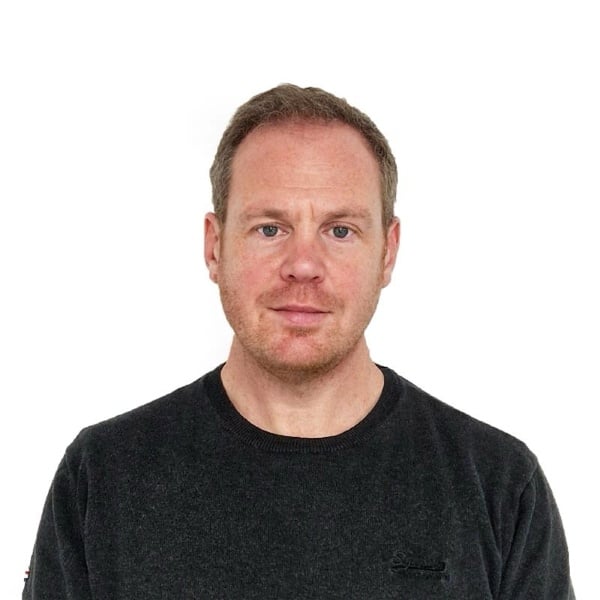
Distribution Director at Situ, a global serviced accommodation provider specialising in extended stays for corporate travellers. With over a decade of experience in the travel and hospitality space, Richard brings deep insight into the evolving dynamics of the industry, from digital transformation to the role of regulation. As the host of this webinar, Richard will guide the conversation with expert knowledge and a passion for connecting the dots between technology, guest experience, and operational efficiency.
Anshul Mehta
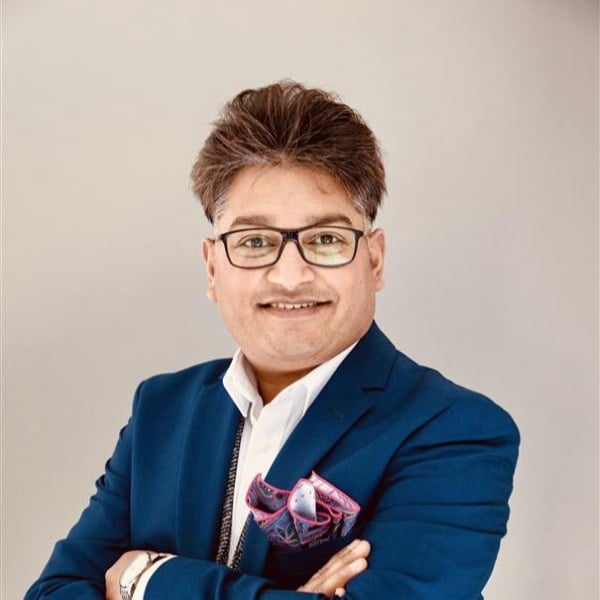
A leader in the real estate and hospitality industries. As Co-Founder and Managing Partner at Hybrid Resi, he leads a growing UK-based serviced accommodation business known for sustainable hospitality and flexible workspace design. The company recently expanded and continues to be recognised for its commitment to technology innovation and excellent service.

Jeff Baars
COO of Urban Rest, an APAC and UK serviced apartment brand known for hotel-quality standards with the comfort of home. With a strong background in scaling hospitality operations, Jeff plays a pivotal role in Urban Rest’s growth and expansion strategy, including its increasing footprint across the UK. He is passionate about delivering seamless guest experiences through tech-forward solutions, sustainability, and long-term stays that reflect the evolving needs of corporate travellers.
Beyond Booking Podcast
Eager to explore Situ's expert insights on the go? Listen to our Beyond Booking webinar series in podcast form.
Fancy taking part in one of our webinars?
Or, perhaps you have a topic you're keen for us to cover?
Drop us an email: [email protected]